
Graduate Unemployment Is Rising: Here Is What Actually Helps
If it feels harder to land your first graduate role than it used to be, you are not imagining it. Graduate unemployment in the UK has been climbing, and competition for entry level positions is fiercer than it has been in years. For many graduates, the result is the same frustrating cycle: dozens of applications sent, very few responses, and no clear idea of what is going wrong.
The good news is that this is not a problem you have to solve through guesswork. Most of what is holding graduates back falls into a small number of fixable categories, and once you know what they are, you can start making real progress.
Why More Graduates Are Struggling Right Now
A combination of factors has made the graduate job market tougher in 2026. Employers are receiving significantly higher application volumes for each role, many of them are using AI powered Applicant Tracking Systems (ATS) to filter CVs before a human ever sees them, and entry level roles increasingly expect candidates to demonstrate practical skills, not just a degree.
For UK based graduates, and particularly for international students who need visa sponsorship, the bar has moved again following recent changes to the Skilled Worker Visa requirements. Roles now generally need to meet RQF Level 6 and a higher salary threshold, which has reduced the pool of eligible entry level sponsored positions.
None of this means the situation is hopeless. It means the strategy graduates use to find work needs to be sharper than it used to be.
What Actually Helps: The Areas That Make the Biggest Difference
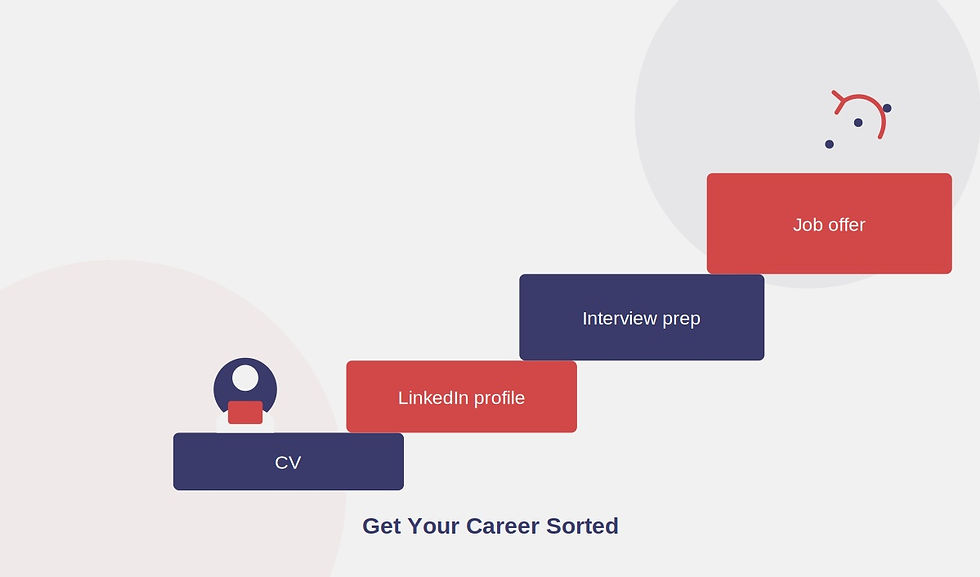
1. A CV Built for ATS and for Humans
Many strong candidates are rejected automatically because their CV is not formatted in a way that ATS software can read, or because it does not contain the keywords the system is scanning for. A CV that is both ATS compatible and clearly written for a human reader gives you the best chance of getting through the first filter and making a good impression once you do.
2. A LinkedIn Profile That Recruiters Can Actually Find
Recruiters frequently search LinkedIn before they ever look at a CV. If your headline simply states your degree or says "Open to Work", you are likely invisible in those searches. A profile that includes the right job titles, tools, and skills in your headline and About section significantly increases the chances of being found by the people hiring for roles that match what you want.
3. Tailored Applications, Not Mass Applications
Sending the same CV and cover letter to every job posting rarely works, even when the volume is high. A CV and cover letter tailored to each role, reflecting the specific language of the job description, consistently performs better than a generic version sent to hundreds of employers.
4. Genuine Interview Preparation
Getting an interview is only half the battle. Many graduates lose offers not because they lack the skills, but because they struggle to communicate their value clearly under pressure. Structured interview preparation, including practice with real feedback, builds the confidence needed to perform well when it matters.
5. Understanding Where the Opportunities Actually Are
A significant number of roles are filled through networking and direct outreach before they are ever advertised publicly. Knowing how to access this hidden job market, and understanding which employers are genuinely open to graduate talent or sponsorship, can open doors that job boards alone never will.
How Careersted Supports Graduates Through This
At Careersted, we work with graduates across the UK, Ireland and the EU who are facing exactly these challenges. Our approach is built around the areas above, because they are the areas that consistently make the difference between silence and interviews.
We start with a free CV review, where we identify precisely what is costing you responses, whether that is ATS compatibility, missing keywords, or how your experience is framed. From there, our Career Coaches work with you 1:1 to tailor your CV and cover letter for the roles you are targeting, optimise your LinkedIn profile so recruiters can find you, and prepare you thoroughly for interviews so you walk in with confidence.
For graduates who need employer sponsorship, we also help you understand which roles and employers are realistically positioned to support a visa application under the current rules, so your search is focused rather than scattered.
A New Way We Are Helping Graduates Get Seen
One of the newer parts of how we support graduates is through our direct outreach system. Rather than leaving you to apply into the void and hope for a response, we have built a structured email outreach process that puts well prepared candidates directly in front of recruiters and hiring contacts, alongside a clear, professional introduction and an invitation for them to review your CV.
This does not replace the fundamentals of a strong CV and LinkedIn profile, but it adds an extra layer of visibility at a time when standing out in a crowded inbox matters more than ever. Combined with a CV and profile that are genuinely ready to be seen, it gives graduates a meaningfully better chance of starting a real conversation with the people who are hiring.
The Bottom Line
Graduate unemployment rising does not mean your situation cannot improve. It means the margin for a weak CV, an unoptimised LinkedIn profile, or generic applications has narrowed. The graduates who are getting interviews right now are not necessarily the most qualified on paper. They are the ones whose applications are reaching the right people, in the right format, with the right message.
If you are not sure where your applications are falling short, that is exactly where we can help. Book a free 20-minute call with our team, or get in touch for a free CV review, and we will give you a clear, honest picture of where you stand and what to do next.


Comments